


Plant Fertilizer
Filter and sort





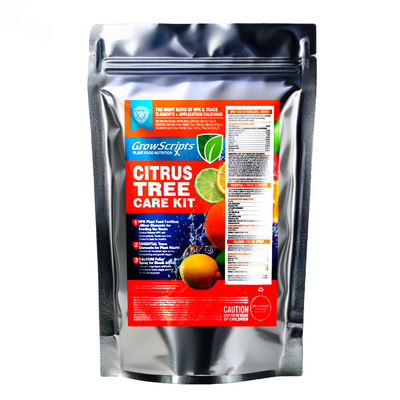
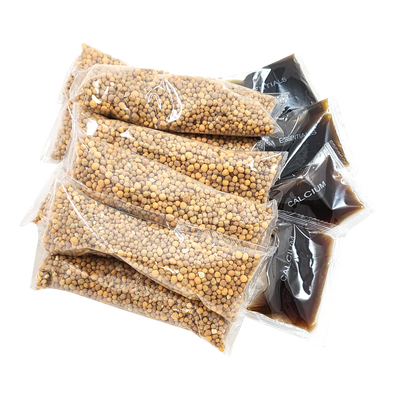
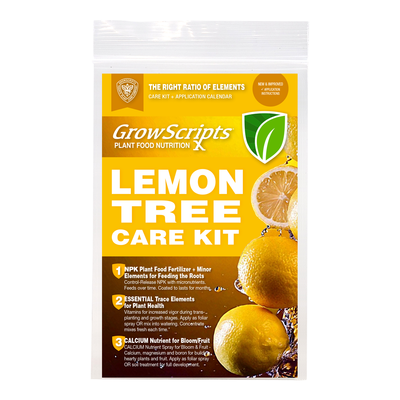
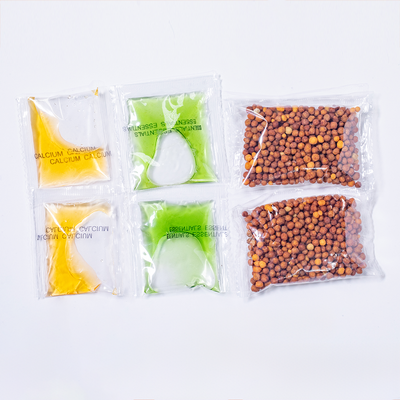
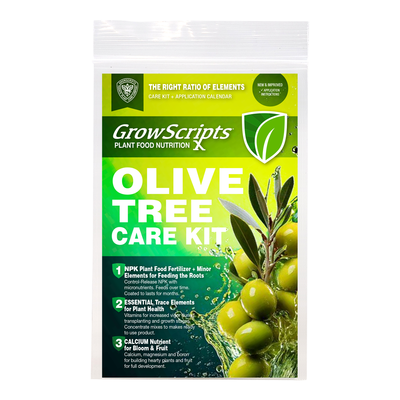
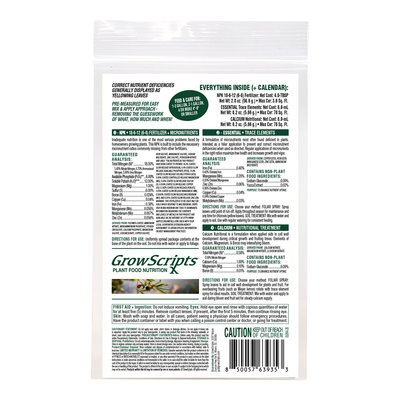
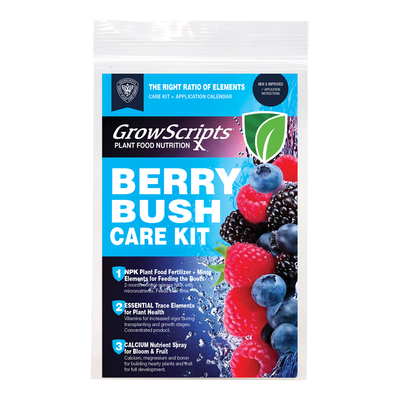
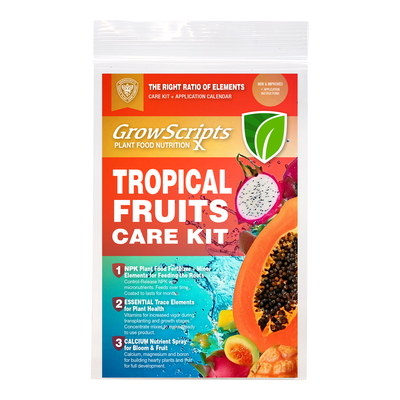
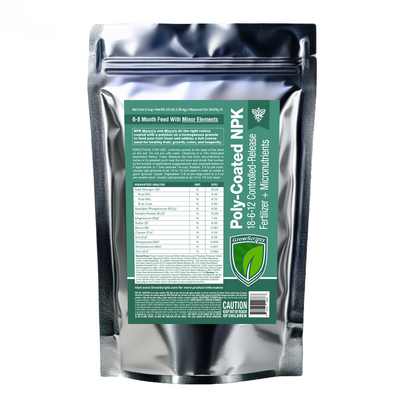
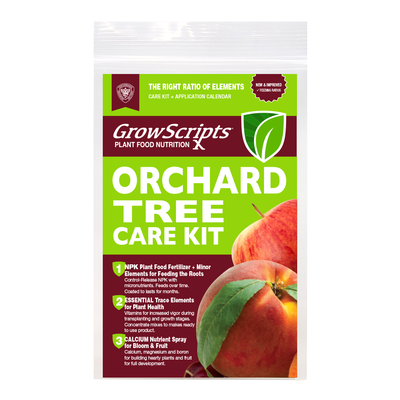
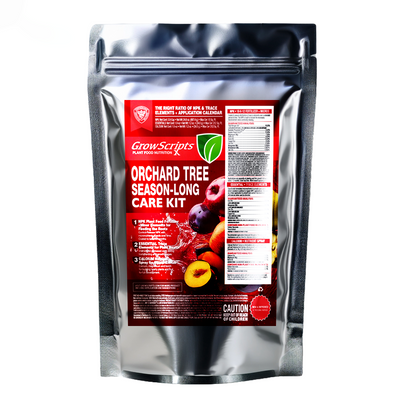

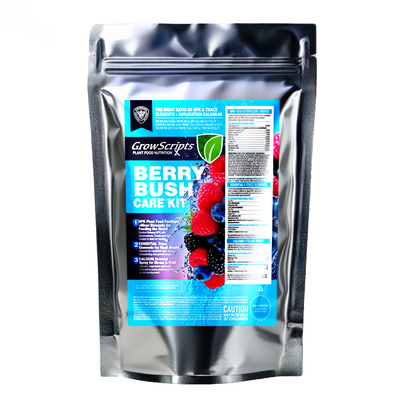
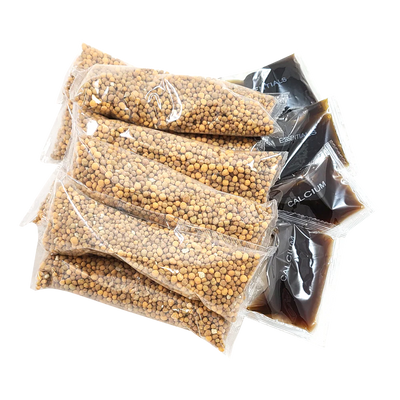
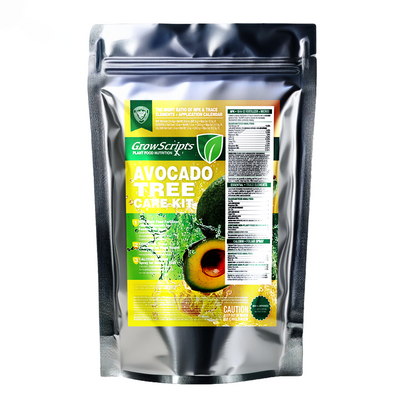
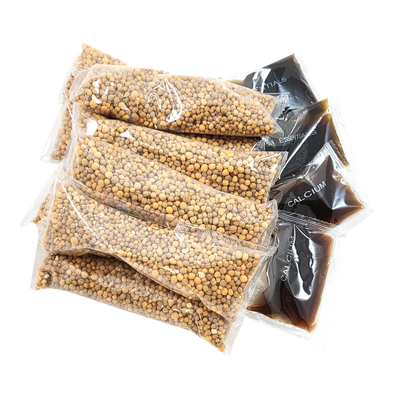

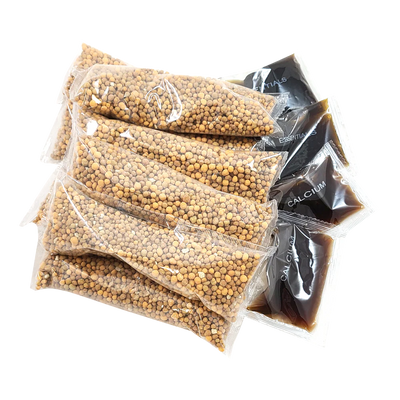


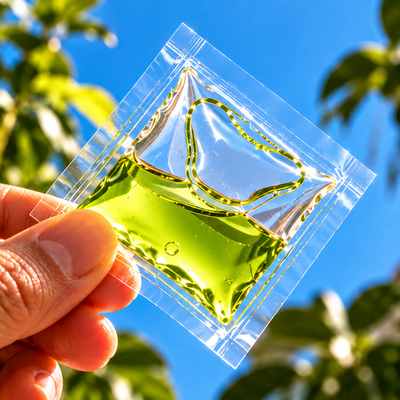
Plant Fertilizer for the Way You Grow
Plants depend on a consistent supply of nutrients, but the right fertilizer can vary depending on what you are growing, where it is planted and how often you want to feed it.
A houseplant growing in a small pot may need a different approach than a fruit tree growing outdoors. Some growers prefer a liquid fertilizer they can control with each application. Others want a granular or controlled-release fertilizer that works gradually over time.
GrowScripts brings these options together in one plant fertilizer collection. Compare fertilizers for indoor plants, patio containers, fruit trees, vegetables, herbs and other garden plants without trying to make one product fit every growing situation.
Choose the Right Type of Plant Fertilizer
Liquid Plant Fertilizer
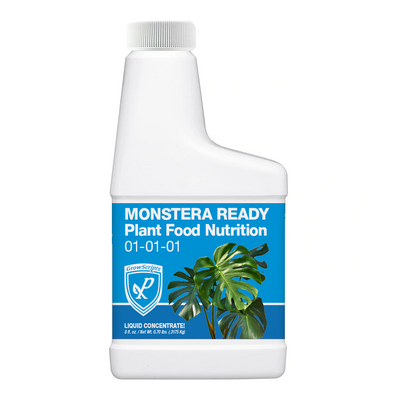
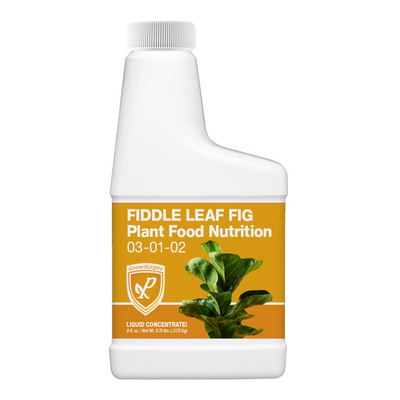
Liquid fertilizer is mixed with water and applied directly to the soil. It gives you control over the amount and timing of each feeding and can work well for houseplants, patio containers, garden plants and fruit trees.
Choose liquid fertilizer when you want a flexible feeding option that can be adjusted around the plant’s growth, season and watering routine.
Water-Soluble Fertilizer
Water-soluble fertilizer is a concentrated powder that dissolves in water before application. It is easy to store, measure and mix as needed.
This type of fertilizer can be a practical option for growers caring for several plants or looking for one formula that can be applied at different rates according to the product directions.
Granular and Controlled-Release Fertilizer
Granular fertilizers are applied to the soil or potting mix, where nutrients become available over time. Controlled-release formulas are designed to provide longer-lasting feeding with fewer applications.
These options can work especially well for container plants, patio plants and fruit trees that benefit from a steady nutritional foundation during active growth.
Complete Fertilizer Care Kits
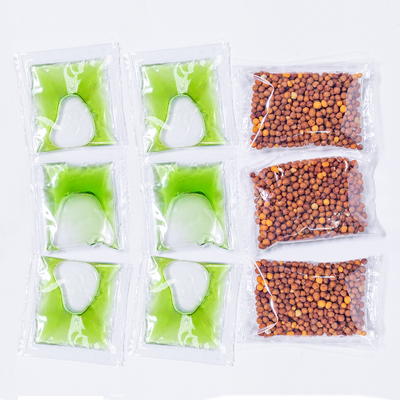
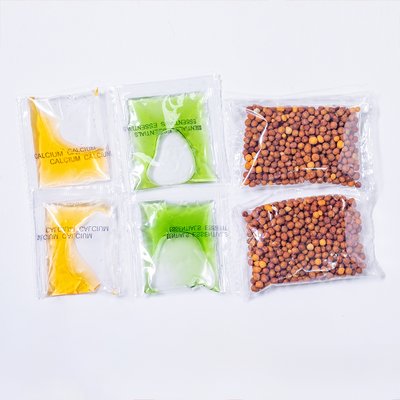
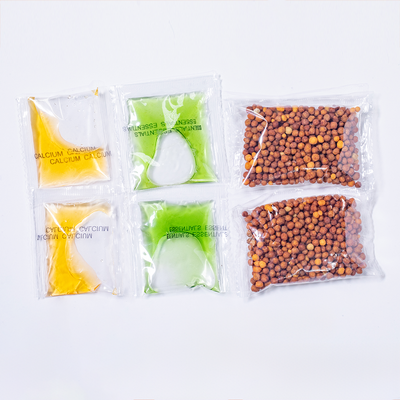
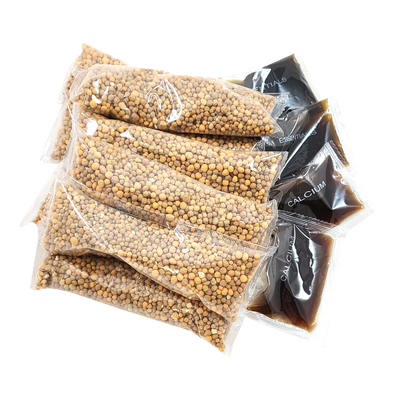
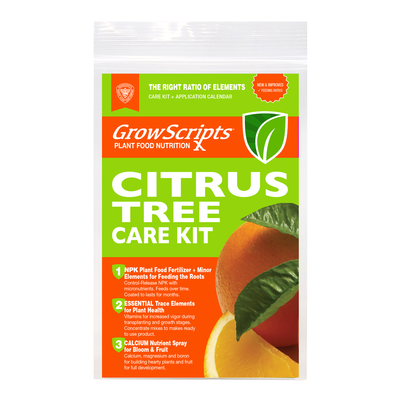
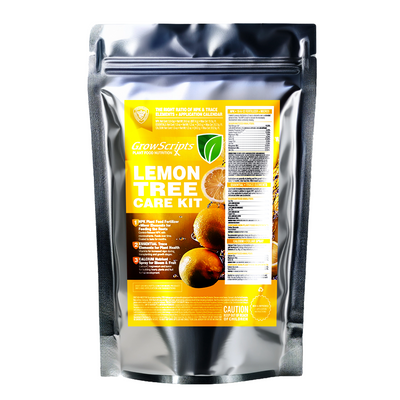
A fertilizer care kit combines multiple products with a clear application plan. Instead of choosing each component separately, you receive the products intended for that plant or growing situation along with guidance on what to apply and when.
Care kits are a good choice for growers who want a more complete feeding routine without creating their own schedule from several separate products.
Find Fertilizer for Your Plants
Houseplants and Indoor Plants
Indoor plants grow in a limited amount of potting mix and depend on regular feeding to replace nutrients used during growth or lost through watering.
For products selected specifically for indoor and patio plants, visit the Indoor Plant Food & Fertilizer for Houseplants collection.
Container and Patio Plants
Plants grown in pots have access only to the nutrients held within their containers. Regular watering can also move nutrients out of the potting mix over time.
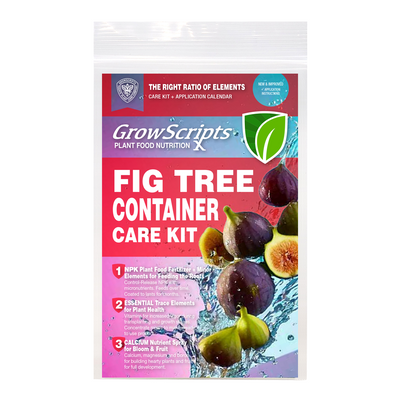
Growers looking for pre-measured products and structured feeding plans can compare the Container Fertilizer Care Kits collection.
Fruit Trees
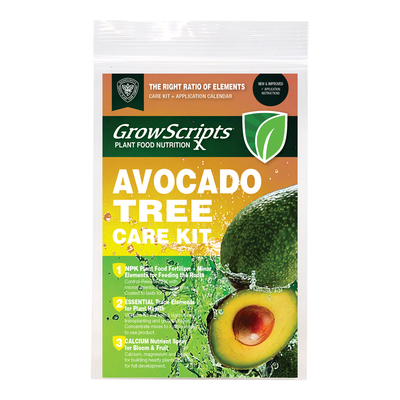
Citrus, fig, avocado, olive and other fruit trees may have different nutrient needs depending on the plant, container size, growing conditions and stage of development.
Visit the Fruit Tree Fertilizer & Plant Food collection to compare products and care kits for container-grown and in-ground fruit trees.
Vegetables, Herbs and Edible Plants
Vegetables and herbs use nutrients as they produce leaves, roots, flowers and fruit. Their feeding needs can also change as they move from early growth into flowering and production.
Browse the Vegetable Plant Food collection for fertilizers and care products intended for vegetables, herbs and other edible plants.
What Do the Numbers on Plant Fertilizer Mean?
Most fertilizer packages display three numbers, such as 9-3-6, 12-4-8 or 18-6-12. These numbers describe the fertilizer’s percentage of three primary nutrients:
Nitrogen supports leafy and vegetative growth.
Phosphorus supports root development and plant energy processes.
Potassium supports overall plant function, flowering, fruit development and the plant’s response to stress.
The highest numbers are not automatically the best numbers. The right formula depends on the plant, its growing conditions and how the fertilizer is intended to be used.
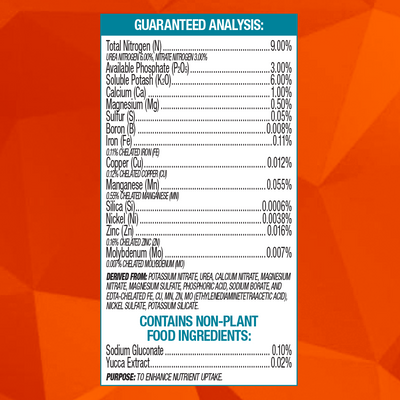
Some fertilizers also include secondary nutrients and micronutrients such as calcium, magnesium, iron, manganese, zinc or boron. Plants use these in smaller amounts, but they still contribute to normal growth and development.
How to Choose a Fertilizer for Plants
Start with the plant and its growing location. A fertilizer intended for a small indoor plant may have different application directions than one designed for a large fruit tree or garden bed.
Next, choose how you want to feed:
- Use liquid or water-soluble fertilizer when you want more control over each application.
- Use granular or controlled-release fertilizer when you prefer fewer applications and gradual feeding.
- Choose a care kit when you want multiple products organized into one routine.
Always check the product label for suitable plants, application rates and feeding frequency before applying fertilizer.
How Often Should Plants Be Fertilized?
There is no single feeding schedule that works for every plant and fertilizer.
Application frequency depends on:
- The fertilizer type and concentration
- The plant and its stage of growth
- Whether it is growing indoors, outdoors, in a container or in the ground
- The season, temperature and available light
- How often the plant is watered
Liquid fertilizers may be applied more frequently at a diluted rate, while granular and controlled-release products are generally applied less often. Follow the directions for the specific product rather than applying every fertilizer on the same schedule.
Many plants use more nutrients during active spring and summer growth. Feeding may need to be reduced when growth slows, particularly for indoor plants during lower-light periods.
Plant Food or Plant Fertilizer: What Is the Difference?
The terms plant food and plant fertilizer are often used to describe products that supply nutrients to plants.
Technically, plants make their own food through photosynthesis. Fertilizer supplies nutrients that support that process and other plant functions.
When shopping, the more important details are the guaranteed analysis, ingredients, intended plants and application directions rather than whether the front of the package says plant food or fertilizer.
A Clearer Way to Feed Your Plants
Choosing plant fertilizer should not require buying several unrelated products and then trying to create your own routine.
GrowScripts offers individual fertilizers for growers who already know what they need, along with complete care kits for those who want the products and application plan organized together.
Compare the options above based on your plant, growing location and preferred feeding method. Then follow the product directions and adjust your routine as the plant and season change.
Frequently Asked Questions
What is plant fertilizer?
Plant fertilizer supplies nutrients that plants use for growth and normal development. Fertilizers may contain nitrogen, phosphorus, potassium, secondary nutrients and micronutrients in different amounts.
What is the best fertilizer for plants?
There is no single best fertilizer for every plant. The right choice depends on the plant species, whether it is growing in a container or in the ground, its stage of growth and how frequently you want to apply fertilizer.
Is plant food the same as plant fertilizer?
The terms are commonly used interchangeably when describing products that provide nutrients to plants. Check the nutrient analysis, intended uses and directions to compare products accurately.
Is liquid or granular fertilizer better?
Neither form is automatically better. Liquid fertilizer provides more control over each application. Granular and controlled-release fertilizers provide nutrients gradually and usually require fewer applications.
Can one fertilizer be used on different types of plants?
Some all-purpose fertilizers are labeled for many types of plants. Others are formulated or packaged for a narrower use. Check the label before using one fertilizer across several different plants.
Can I use the same fertilizer indoors and outdoors?
Some fertilizers are suitable for both indoor and outdoor plants when used as directed. Application rates may differ because indoor plants often grow more slowly and receive less light than plants growing outdoors.
What do the three fertilizer numbers mean?
The three numbers represent the percentages of nitrogen, phosphorus and potassium provided by the fertilizer. These are three primary nutrients used by plants.
How often should I fertilize my plants?
Follow the directions for the specific fertilizer. Feeding frequency varies according to the product, plant, season, light, temperature and growing location.
Can too much fertilizer damage plants?
Yes. Applying more than the recommended amount can lead to excess fertilizer salts and plant stress. Measure carefully and follow the product directions.
Do plants need micronutrients?
Plants use micronutrients in smaller quantities than nitrogen, phosphorus and potassium, but those nutrients still support normal plant functions. The nutrients already present in the soil or potting mix should be considered before adding a separate supplement.