



Sale
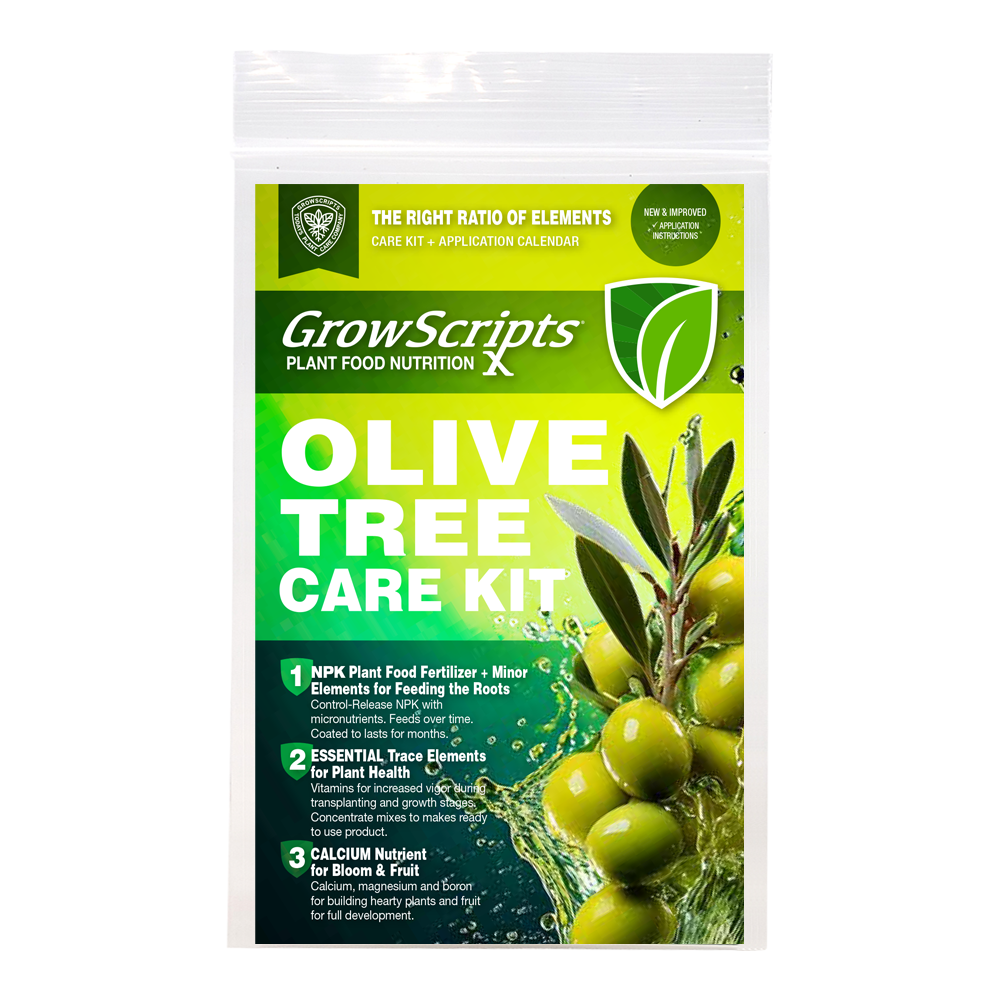
3-in-1 Olive Tree Fertilizer Kit for Small Container Olive Trees
$23.99
$19.99
Shipping calculated at checkout.
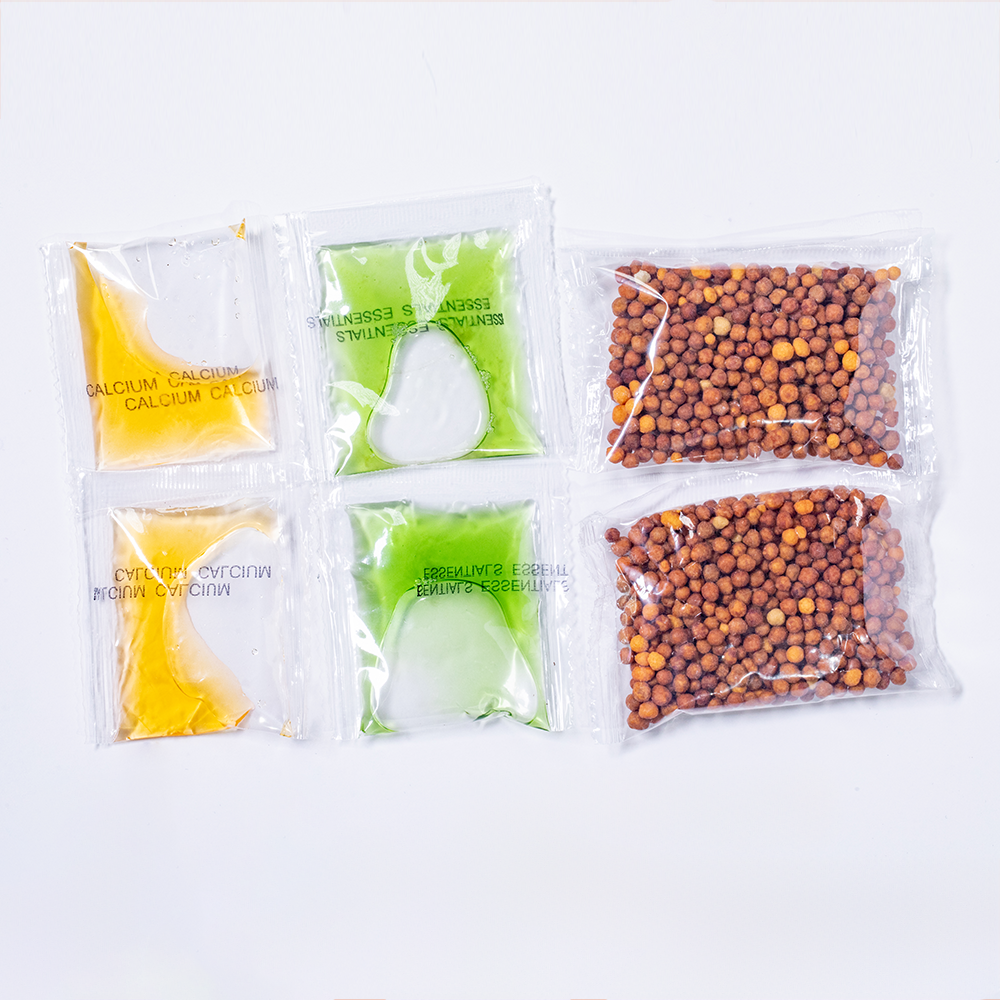
This Small Olive Tree Fertilizer Kit is the all-in-one feeding system designed specifically for potted olive trees like Arbequina, Koroneiki, Mission, and Manzanillo. Created for containers in a 3-gallon pot or smaller, this 3-part kit delivers the low-phosphorus, nitrogen-forward nutrition olives actually prefer, keeping your tree healthy and productive whether it lives on a patio, a balcony, or indoors by a bright window.
Shop Your Favorite Retailer
The Sill Fast Growing TreesMediterranean-style nutrition: the nitrogen-forward, low-phosphorus ratio olives prefer, not a heavy, high-phosphorus feed.
Controlled-release fertilizer: feeds gradually for 6 to 8 months.
Micronutrient support: iron, manganese, zinc, copper, and molybdenum to prevent leaf yellowing and keep foliage a healthy gray-green.
Calcium and boron spray: strengthens stems and supports flowering and fruit set, and olives specifically need boron to set fruit well.
Sized for container and patio olives in a 3-gallon pot or smaller.


3-in-1 Olive Tree Fertilizer Kit for Small Container Olive Trees
$23.99
$19.99