


Citrus Fertilizer
Filter and sort

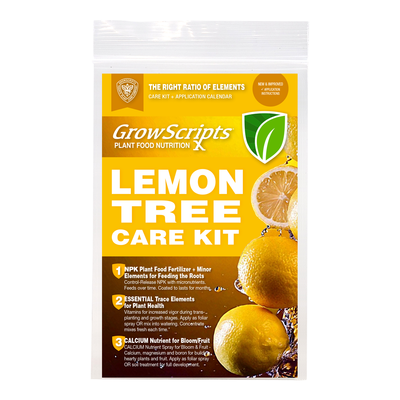




Choosing the Right Product for Your Tree
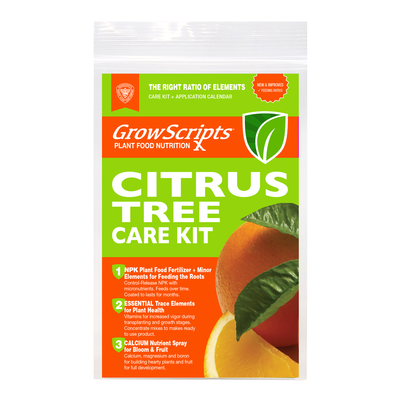
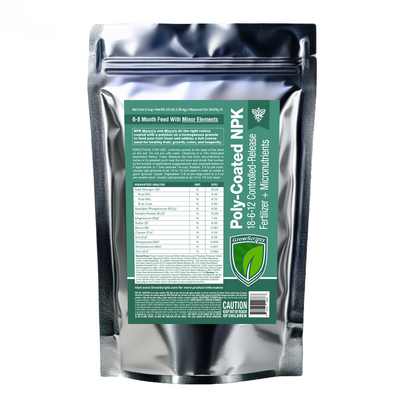
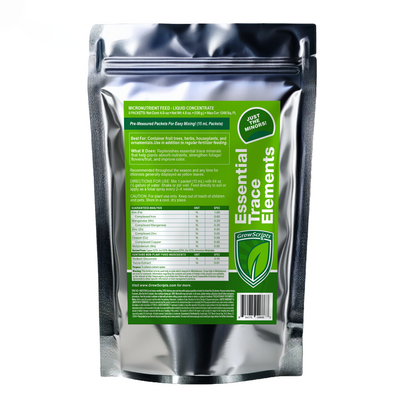
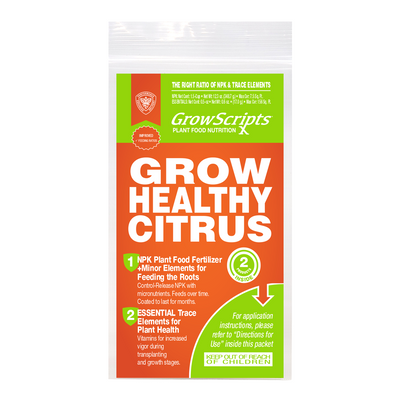
The right citrus fertilizer depends on the size of your tree, where it is growing and how often you want to feed it. GrowScripts offers multiple ways to feed lemon, lime, orange, grapefruit and other citrus trees, including complete care kits, controlled-release granular fertilizer, liquid and water-soluble formulas, and targeted nutrient supplements.
Every product in this collection has its own guaranteed analysis, application rate and feeding schedule. Compare the options above and choose the product that best matches your tree, growing setup and preferred care routine.
Types of Products Available
Complete Citrus Care Kits
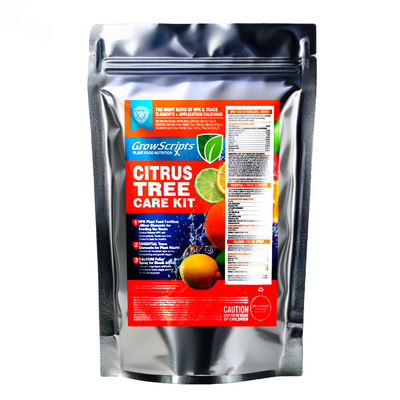
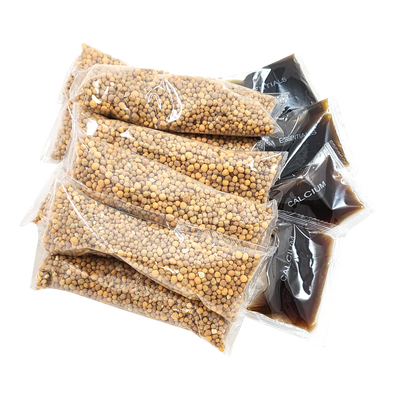
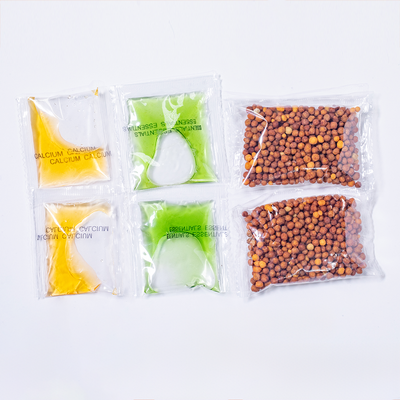
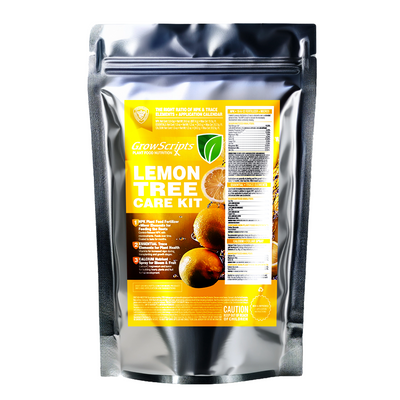
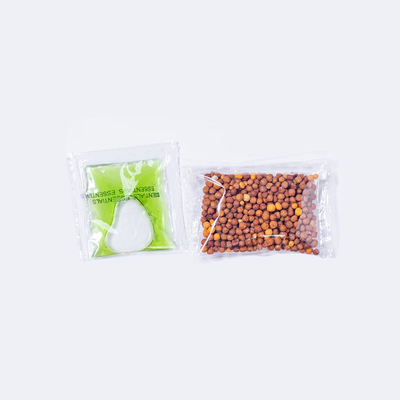
Complete care kits are designed for growers who want a straightforward feeding program rather than separate products and schedules. These kits combine core fertilizer with supporting nutrients and step-by-step application guidance.
Choose a complete kit when you want a planned approach for feeding container citrus or larger citrus trees throughout the growing season.
Controlled-Release Granular Fertilizer
Controlled-release granular fertilizer supplies nutrients gradually over an extended period. It is a useful option for growers who want consistent feeding with fewer applications.
GrowScripts offers controlled-release fertilizer for container fruit trees as well as larger citrus trees. Select the product that matches your tree and follow its individual application rate.
Liquid and Water-Soluble Citrus Fertilizer
Liquid and water-soluble fertilizers are mixed with water, typically at a rate measured per gallon of water, before application. They provide more control over when fertilizer is applied and can fit into a regular watering and feeding routine.
These formulas may be used as a primary fertilizer or as part of a broader citrus care program, depending on the specific product. Always follow the directions on the product page rather than combining fertilizers automatically.
Micronutrients and Targeted Supplements
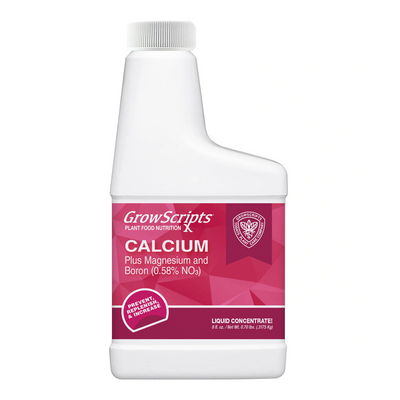
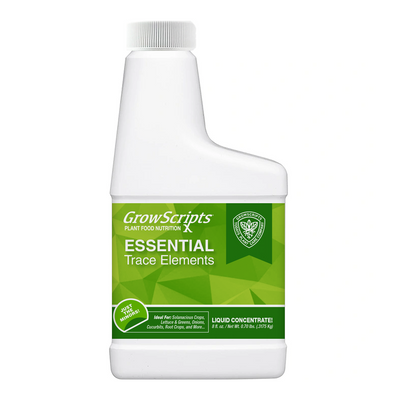
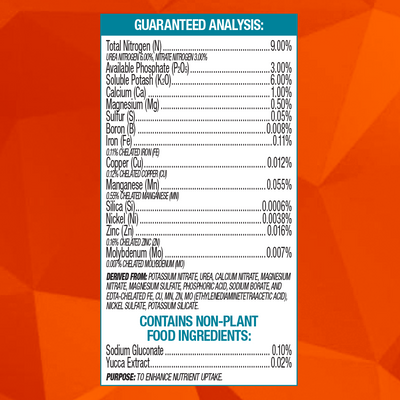
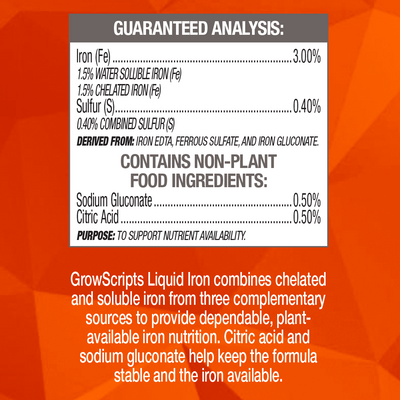
Some citrus fertilizer programs include nutrients such as iron, magnesium, manganese, zinc, calcium and boron. The nutrients included vary by formula, which is why it is important to review each product’s guaranteed analysis.
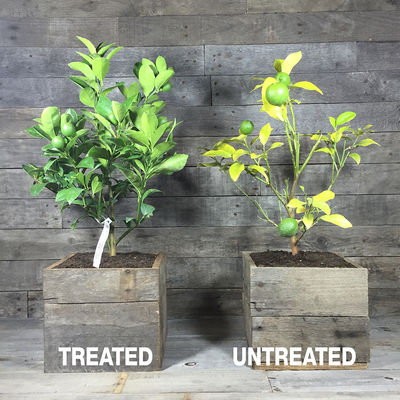
Targeted supplements can help provide nutrients that are not included in a primary fertilizer, but they should be used according to the product directions. Yellow leaves and weak growth are not always caused by a nutrient deficiency, so watering, drainage, root health, soil pH and pests should also be considered.
Feeding Citrus Trees in Containers
Citrus trees grown in containers have less soil available to hold water and nutrients. Frequent watering can also move nutrients through the potting mix, making a consistent feeding routine especially important for potted citrus.
Along with steady feeding, container citrus plants need full sun, consistent watering and good drainage to make full use of the nutrients they're given.
When selecting a citrus fertilizer for a container tree, consider:
- The size of the container
- The size and age of the tree
- How frequently the product is applied
- Whether it is granular, liquid or water-soluble
- Which micronutrients are included
- How long each application is designed to feed
Products in this collection can support many common container citrus trees, including Meyer lemons, Key limes, calamondins, kumquats, mandarins and patio orange trees. Check the individual product page to confirm the correct application rate for your container.
Fertilizer for Large and In-Ground Citrus Trees
Large containers and in-ground citrus trees require different application amounts than small potted trees. Tree age, canopy size, soil conditions, climate and the length of the growing season can all affect how much fertilizer is appropriate.
Choose a product specifically intended for larger citrus trees and follow its listed rate. For in-ground trees, a soil test can help identify existing nutrient levels and prevent unnecessary fertilizer or supplement applications.
Do not use a container-tree application rate on a large in-ground tree unless the product directions specifically allow it.
What Do the NPK Numbers Mean?
The three numbers shown on a fertilizer label represent nitrogen, phosphate and potash, commonly referred to as N-P-K.
- Nitrogen supports foliage and vegetative growth, which is why a nitrogen fertilizer is often what drives the flush of new spring growth..
- Phosphorus contributes to root and plant development.
- Potassium supports overall plant function and fruit development.
Citrus nutrition can also involve secondary nutrients and micronutrients such as magnesium, calcium, iron, manganese and zinc. Not every product contains every nutrient, and a fertilizer with higher numbers is not automatically a better fertilizer.
The best choice is a formula with a clear guaranteed analysis, understandable application directions and a feeding duration that fits your tree and growing conditions.
Feeding Lime, Orange, Grapefruit and Other Varieties
Many fertilizers in this collection can be used across several citrus varieties, including:
- Lime and Key lime trees
- Orange trees
- Mandarin and tangerine trees
- Grapefruit trees
- Kumquat trees
- Calamondin trees
- Other container and backyard citrus varieties
Fertilizing lime trees
Lime trees have thinner canopies and less cold tolerance than most other citrus, which can make them show nutrient stress faster when feeding is inconsistent. Fertilizing lime trees on a steady schedule, rather than occasional heavy applications, helps keep growth even through the season. Key limes in particular are prone to yellowing between feedings if nitrogen runs low, so a controlled-release or regularly applied liquid option tends to work better than infrequent granular doses. The same guaranteed-analysis comparison that applies to other citrus in this collection applies here: check the label before assuming a general citrus fertilizer is dialed in for lime trees specifically.
Although many citrus trees have similar nutritional needs, application amounts can vary based on tree size and growing conditions. Review the individual product description before applying fertilizer. If you're growing lemons, our dedicated lemon fertilizer collection covers Meyer, Eureka and other lemon varieties in more depth.
How Often Should Citrus Trees Be Fertilized?
There is no single feeding schedule that applies to every citrus fertilizer.
Controlled-release products may feed for several months, while liquid and water-soluble fertilizers are generally applied more frequently. Complete care kits include their own schedule, and targeted supplements may only be needed at certain stages or when a specific nutrient need has been identified.
Follow the application schedule for the product you select. Applying more fertilizer than directed will not necessarily produce faster growth and may stress the tree.
Frequently Asked Questions
What is the best fertilizer for citrus trees? Citrus do best with a fertilizer that has more nitrogen and potassium than phosphorus, plus magnesium, iron, manganese and zinc, fed on a steady schedule through the growing season. For a lemon tree in a pot, start with our Lemon Tree Fertilizer Kit. For other potted citrus, use the 3-in-1 Container Citrus kit. For large or in-ground trees, choose a Large & In-Ground kit.
What is the best NPK for citrus trees? Citrus do best with nitrogen as the leading nutrient, a moderate amount of potassium, and phosphorus lowest, plus key micronutrients like iron, zinc, manganese and magnesium. Our citrus kits are built around that profile.
Can the same fertilizer be used across different citrus varieties? Many citrus fertilizers can be used on lime, orange, grapefruit and mandarin trees. Application rates may differ depending on tree size, container size and growing conditions, so follow the directions for the individual product. For lemon trees specifically, see our dedicated lemon fertilizer collection.
What citrus fertilizer should I use for a tree in a pot? Choose a fertilizer labeled for container citrus or container fruit trees. Complete kits, controlled-release granules, liquid formulas and water-soluble fertilizers can all be appropriate when applied according to their directions.
Is granular or liquid citrus fertilizer better? Both can work well. Granular fertilizer is useful for gradual feeding and fewer applications. Liquid and water-soluble fertilizer provide more control over timing and concentration. The better choice depends on how often you want to feed and whether another fertilizer is already being used.
Can I use citrus fertilizer on indoor trees? Many citrus fertilizers can be used on indoor container trees, but the individual product must be appropriate for container growing. Keeping a citrus tree indoors also requires sufficient light, proper drainage and appropriate watering; fertilizer cannot correct problems caused by poor growing conditions.
Why are my citrus tree leaves turning yellow? Yellow leaves can be related to nitrogen, magnesium, iron or other nutrient availability, but fertilizer is not the only possible cause. Overwatering, poor drainage, root stress, soil pH, pests and disease can produce similar symptoms. Examine the growing conditions and the pattern of yellowing before selecting a nutrient supplement.
Can I overfertilize a citrus tree? Yes. Applying more fertilizer than the label recommends can stress roots and promote unbalanced growth. Use the listed rate for your tree or container size and avoid combining multiple fertilizer products unless their directions indicate that they can be used together.