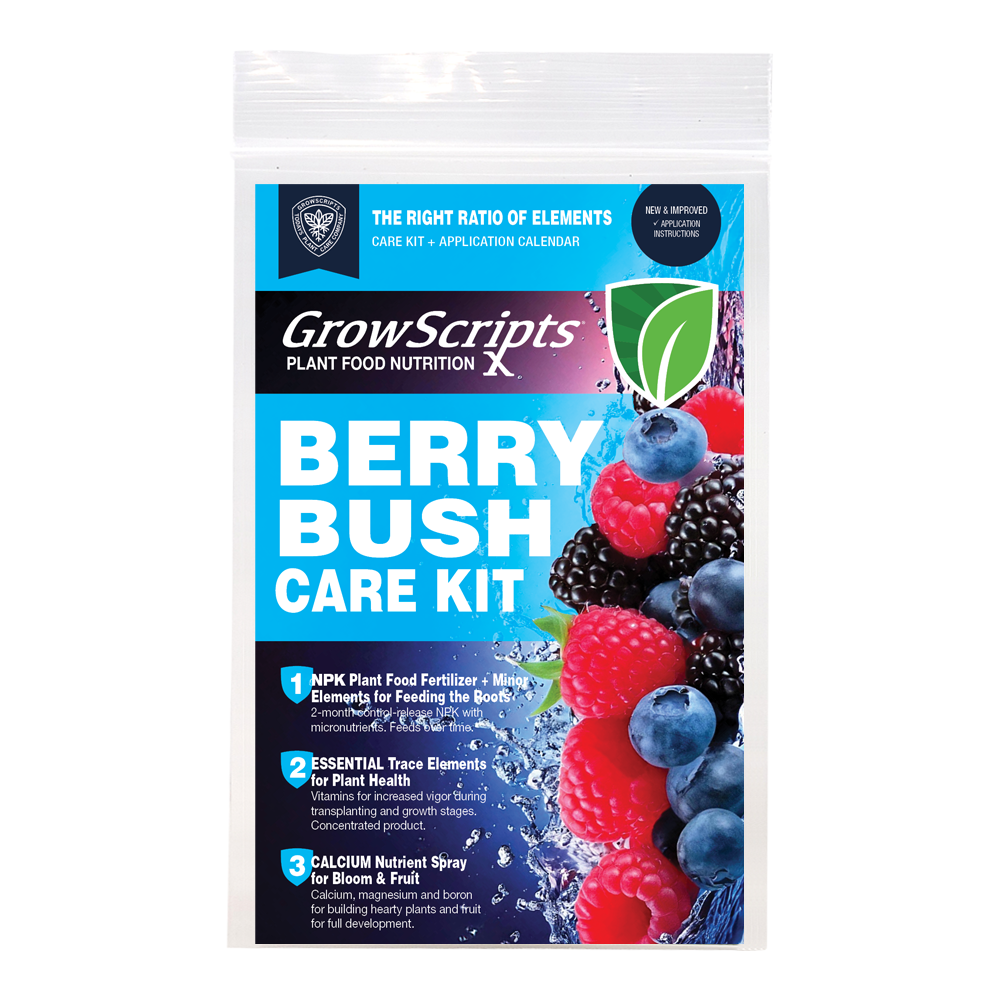
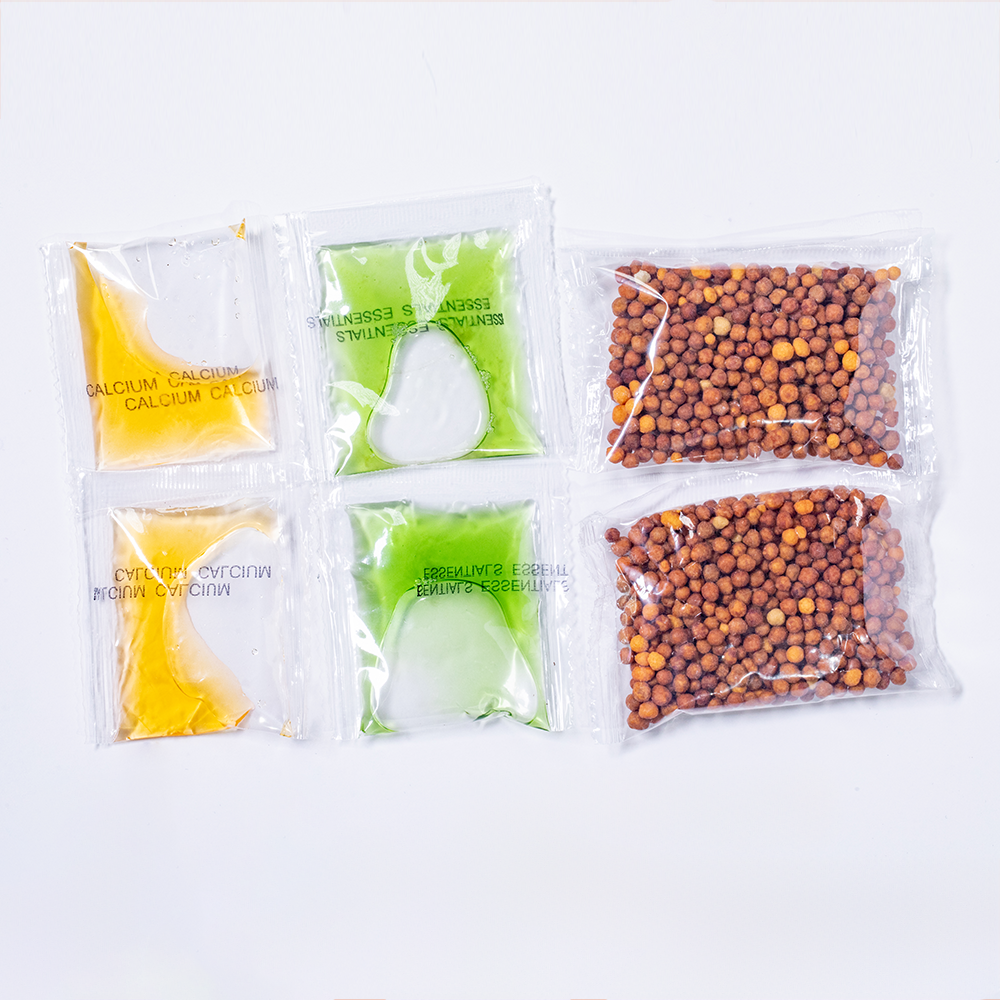
Why container berries need their own approach
Berries grown in pots live on the nutrients in a small volume of soil, and every watering carries some of them out through the drainage holes. Because many berries fruit heavily for their size, and because growers often keep several plants together, a container planting draws its soil down quickly and benefits from steady, controlled feeding rather than occasional heavy doses. That is what keeps potted berries in healthy growth and full production through the season.
Blueberries are acid-loving, and that changes how you grow them
Blueberries are the exception among common berries, because they need distinctly acidic soil, around pH 4.5 to 5.5, to take up nutrients at all. In soil that is not acidic enough, a blueberry can be surrounded by iron and still go yellow, because the roots cannot absorb it, which is the classic cause of yellowing blueberry leaves. This kit carries extra iron and complete nutrition to support them, but the acidity has to be there for that feeding to land. Grow blueberries in an acidic mix made for them, keep an eye on pH, and adjust with a soil acidifier when it drifts, and the fertilizer will do its job.
Raspberries, blackberries, and other brambles
Raspberries and blackberries grow differently than blueberries, sending up new canes each year that need steady nutrition to build strong growth before they fruit. Unlike blueberries, brambles don't need acidic soil, so a standard potting mix works fine, but they're still heavy feeders in a container and benefit from the same controlled-release approach that keeps blueberries fed. Supporting healthy cane development early in the season sets up better fruit later, since a bramble that stalls in spring rarely catches back up before summer heat sets in. The trace element and calcium sprays in this kit work the same way across brambles as they do for blueberries, correcting the same iron and micronutrient shortages that container growing tends to bring on.
Reading a hungry berry plant
Berries show stress in their leaves. Overall pale foliage usually points to nitrogen running low, while yellowing between the veins on newer leaves points to iron or other micronutrients, which is common in containers and especially in blueberries. Weak new canes, small leaves, and sparse fruit follow if the shortage continues. Feeding steadily is what keeps vibrant foliage and full production going rather than stalling. When you fertilize blueberry plants specifically, watch the new growth, since that is where an iron shortage shows first.
Pro tips for container berry care
Use the right mix for the berry, and specifically an acidic mix for blueberries.
Water consistently, since berries have shallow roots that dislike drying out or staying soggy.
Give them full sun for the best fruit, ideally six or more hours.
Feed steadily rather than heavily, since a confined root ball does better on consistent controlled-release nutrition.